
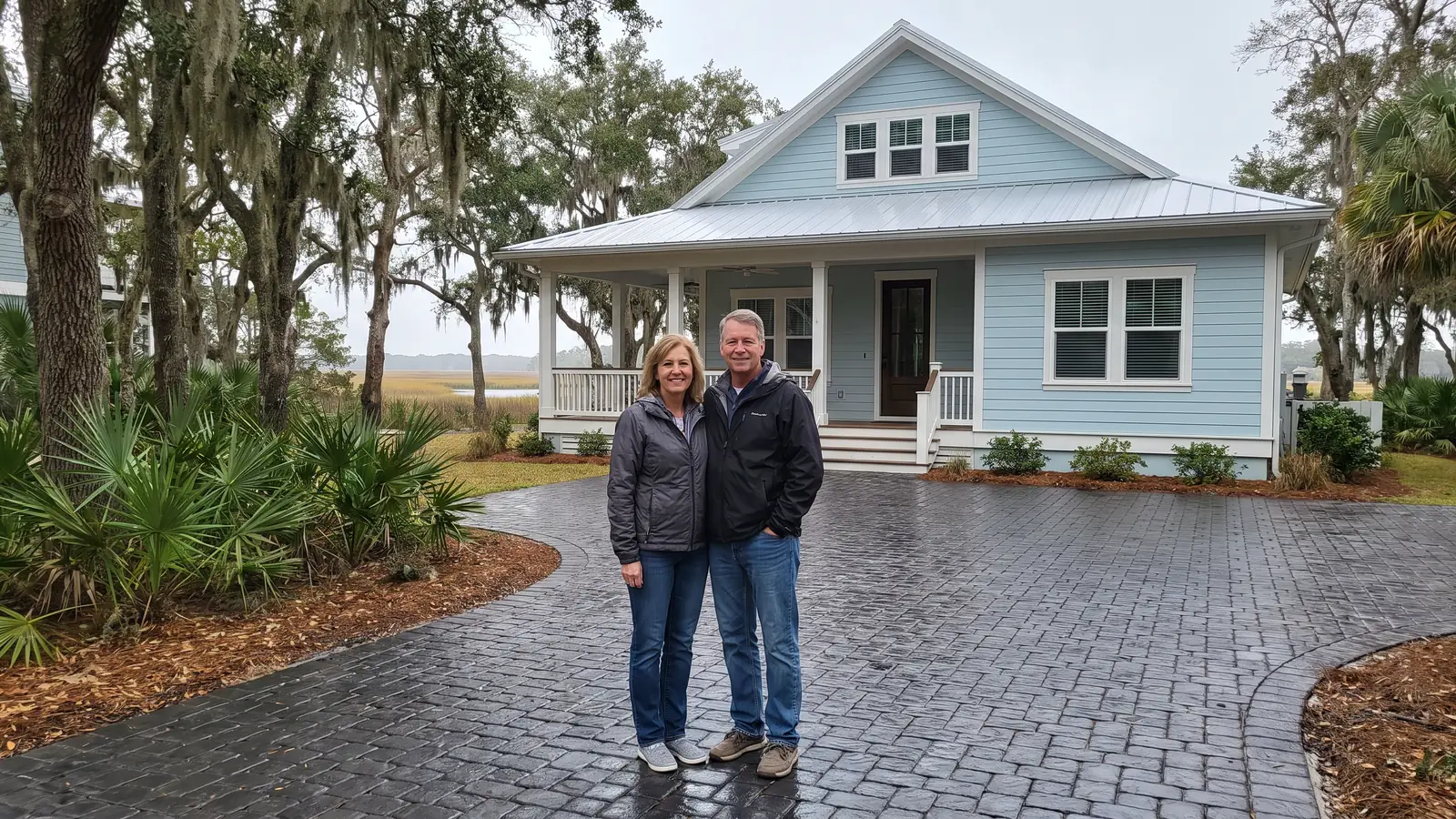
Paver sealing for San Marco homes
Paver Sealing in San Marco, FL
From Marco Lake to San Marco Square, older pavers get a free sealing estimate when you call (912) 741-3281.
- Brings out deeper paver color
- Fresh joint sand helps lock pavers in place
- Gives weeds less room to grow
- Makes the surface easier to keep clean
- Free estimate, no obligation
Request a Free Estimate
Free, no obligation.
Fast, careful paver sealing in San Marco
Paver sealing in San Marco comes with a free estimate for driveways, courtyards, walkways and patios. A local contractor washes the pavers, refills the joints and seals them with a product that fits the surface. Call (912) 741-3281, and a reply should come within 1 business day, usually much sooner. The visit carries no obligation.
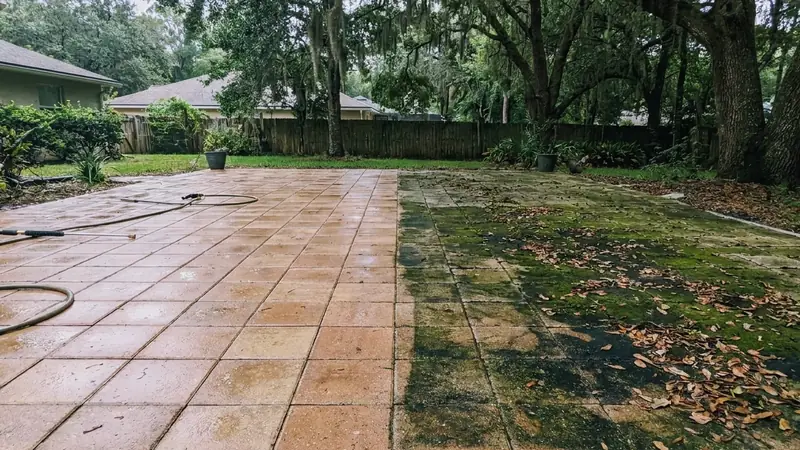
Picture a San Marco front walk of old brick or concrete pavers, with green in the joints and a gray cast from years under the oaks. After a careful wash, new sand and the right sealer, the walk looks cared for again. When you want a price, you can ask for a free estimate online and describe what your pavers are made of.
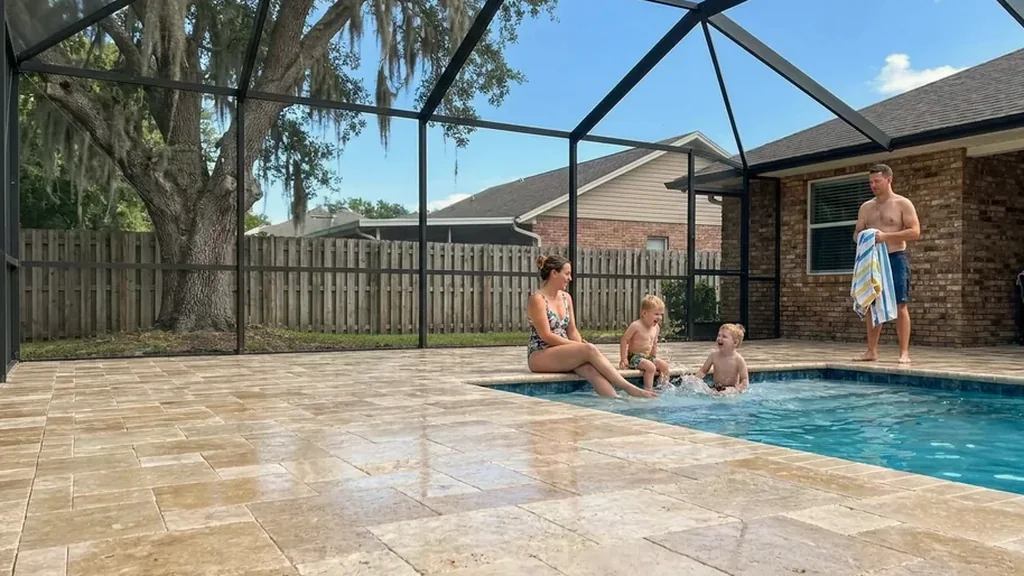
Why hire a local paver sealing contractor in San Marco?
San Marco homes date from the 1920s on, and old brick and concrete pavers do not take the same sealer. To talk through what is on your property, ask for a free estimate online.
A free look at your surface
The contractor checks whether your San Marco pavers are brick or concrete and quotes a price before any work begins. Nothing is owed for the visit.
A range to hold bids against
Listed prices around Northeast Florida for a clean, sand and seal run $1.75 to $3.25 per square foot. Compare any San Marco bid with it, and ask what prep is in the price.
The right sealer for the paver
Old clay brick usually takes a breathable penetrating sealer, while concrete pavers can take a film. Ask which the contractor plans to use.
You decide on the finish
A penetrating product leaves the look almost unchanged, and a film comes in matte, satin or wet look. You choose before work starts.
Get Your Free Estimate in San Marco
Tell us about your pavers in San Marco.
Free, no obligation
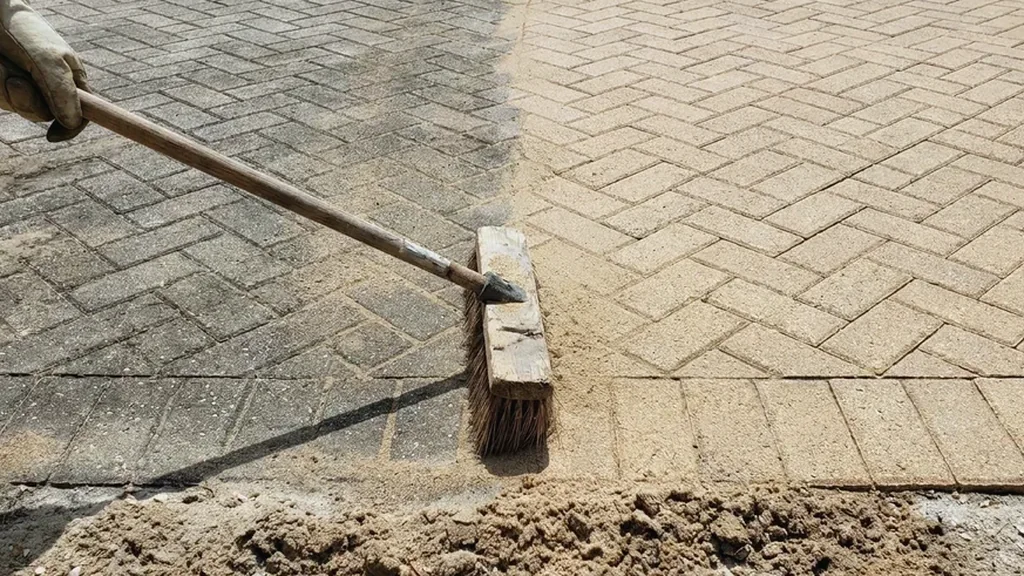
What paver problems show up most in San Marco?
Old clay brick that needs to breathe
San Marco grew up beside the Gamble and Stockton brickyard, which made 50,000 bricks a day by 1923. Old clay brick does best under a penetrating sealer that lets moisture escape, since a thick film can hold water in, then flake or turn hazy. Picking the wrong product is the main risk on a brick walk, and it is hard to undo once the coat has dried. A contractor who names the product before starting is a good sign.
Yards with brick and concrete side by side
Many older lots have been patched or extended over the years. The same company says old clay brick is usually sealed with a silane or siloxane product, while concrete pavers can take a film-forming acrylic. A yard with both needs two products, which means the contractor should identify each surface at the first visit. Walk the yard together and point out where the surface changes.
River water and slow drainage
The St. One River Road home showed a high-water mark of about 5 feet. Silt left behind has to be washed out before any sealing, since sealer would lock it in. Ask about any past water on your lot.
Green film under oaks and magnolias
San Marco's parks are known for shade, and the streets share it. Belmonte Park is ringed by oaks, Landon Park is shaded by large magnolias and oaks, and Largo Well Park has a live oak and a magnolia. Pavers under that canopy stay damp longer, and algae thrive in wet conditions. A brick maker's FAQ says never to seal over damp or dirty surfaces. That means shaded San Marco courtyards need a longer wait than a sunny drive.
Joint sand that rain keeps taking
Jacksonville averages about 52 inches of rain a year, mostly May to September in brief, heavy downpours. One local company says downpours flush sand out of unsealed joints. Old walks in San Marco have had many summers of this, so joints are often thin and need new sand before any coat. Gaps in the joints invite weeds and let water get at the base.
Do San Marco's historic streets need special approval before pavers get sealed?
It depends on your address. The City of Jacksonville requires a Certificate of Appropriateness for exterior work on properties in a historic district or on designated landmarks, and it lists driveways as an example. The city page does not name sealing, so ask before you start. You can check an address on the Land Development Map, then ask for a free estimate online.
The first San Marco lots, 250 of them on 80 acres of the old Villa Alexandria estate, sold in three hours after the 1925 groundbreaking. It was planned in an Italian Renaissance style, though few homes kept to it, and a First Addition followed in 1929 with lots selling into the 1940s. Nearby Alexandria Place shows a median build year of 1939. Tell the contractor which part of San Marco you live in when you call (912) 741-3281.
Colonial Manor and South Riverside are neighborhoods within San Marco, and St. Nicholas lies immediately east. Older courtyards and walks there often use brick, so the sealer choice matters. Share photos of your pavers when you ask for a free estimate online. A few pictures of the joints and the edges help the contractor plan.
What does paver sealing cost in San Marco?
Listed prices around Northeast Florida for a clean, sand and seal run $1.75 to $3.25 per square foot. In San Marco, the surface type, shade growth, thin joints and old film decide where a job lands. A paver company in St. Augustine says prep such as mildew removal, rust treatment or stripping old film affects price more than the sealer does, so ask for a free estimate online and ask what prep is included.
Brick often costs differently than concrete, because it can need a different product and more drying time, and a yard with both may need two products. Tight courtyards, locked gates and long walks from the street add time too. Call (912) 741-3281 and describe your yard, and the contractor can say which of these apply.
| Paved area | Typical example | Clean, sand and seal |
|---|---|---|
| 300 sq ft | Small patio or walkway | $525 to $975 |
| 600 sq ft | Two car driveway | $1,050 to $1,950 |
| 1,000 sq ft | Large driveway or pool deck | $1,750 to $3,250 |
| 1,500 sq ft | Driveway plus pool deck | $2,625 to $4,875 |
Math based on the $1.75 to $3.25 per square foot that Northeast Florida paver companies publish. Your contractor sets the actual price after seeing the surface. Repairs, leveling and stripping failed sealer are usually extra.
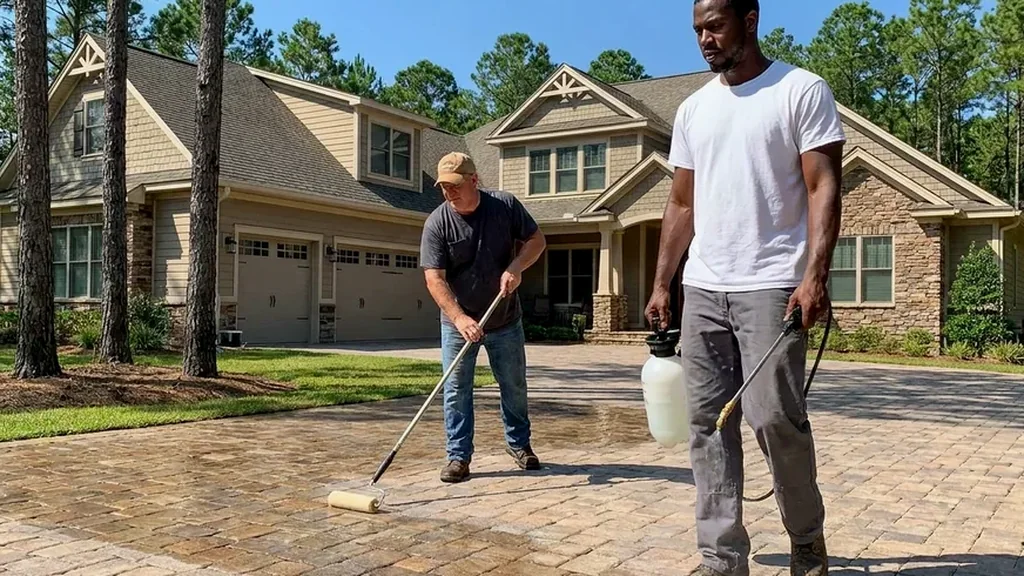
How does a paver sealing job work in San Marco?
Identify the paver and read the surface
The contractor checks whether the surface is old clay brick, concrete pavers or both. Sunken or lifted pavers near oak roots are marked for repair, since sealing preserves any dip. If a film is already on top, the type matters before a new product is chosen, since water-based sealer cannot go over solvent-based sealer. You can point out any spot that holds water after rain.
Wash without harming old joints
Cleaning removes green film, silt from past high water and stains. Gentle washing protects older brick and mortar, and rinse water is kept off stucco and plants. Silt from past river water and green film come off in this step, and so does anything left by sprinklers. One company offers a small test patch so you can see how a sealer changes the color. Stains from rust or oil are treated here, though some deep stains may not fully lift.
Put fresh sand back in the joints
Washing pulls sand out of the joints, so fresh sand goes in and the surface is swept clean. Full joints help keep weeds out and hold the pavers together. On older walks with thin joints, this step can take the longest.
Wait for a fully dry surface
Pavers should dry 24 to 48 hours after cleaning, according to a St. Augustine company, and a brick maker says sealant should never go over damp surfaces. Shaded San Marco yards can take longer, so a careful contractor waits. Sealing early on a damp patio is how haze gets locked in.
Apply the product that fits
A penetrating sealer leaves the look almost unchanged, while a film sealer comes in matte, satin or wet look. Cars can return to a fresh coat in 24 to 72 hours, according to a St. Augustine company, so ask what applies to your job. Plan parking and foot traffic around that time.
Complete paver services in San Marco
A San Marco job follows an order: identify the surface, wash, re-sand, dry and seal. The wash clears green film and silt so nothing is sealed underneath. Fresh joint sand goes in before the sealer, and the surface is swept clean. To ask how long each part takes on your property, call (912) 741-3281.
San Marco properties often have front walks, side courtyards, pool decks and driveways, and the older ones may be brick. A courtyard shaded by an oak stays damp and goes green first, and a pool deck takes sun and splash. Tell the contractor which surfaces you have, and what each is made of, when you ask for a free estimate online.
Sealer choice starts with the paver. A penetrating sealer fits old clay brick and leaves the color alone, and a film sealer suits concrete in matte or wet look. Water-based cannot go over solvent-based, and a wet look deepens color but shows scuffs sooner. Call (912) 741-3281 to talk through which suits you.
Spring and fall tend to bring steady weather for sealing, and summer storms can push a date. A Jacksonville company says never to seal a damp surface or right before a downpour. The contractor watches the forecast and will say if rain is close. You can ask for a free estimate online to set a window.
Questions to ask before you hire
- Can you send proof of insurance before the work day?
- How long should cars and kids stay off the driveway after sealing?
- Can new pavers be sealed right after they are installed, or should I wait?
- Will you walk the job with me and point out cracked or sunken pavers first?
- Will the estimate list the square footage, the sealer and the number of coats?
- What happens to the sealer if it rains the same afternoon?
- Is the price per square foot, and does it include the wash and the joint sand?
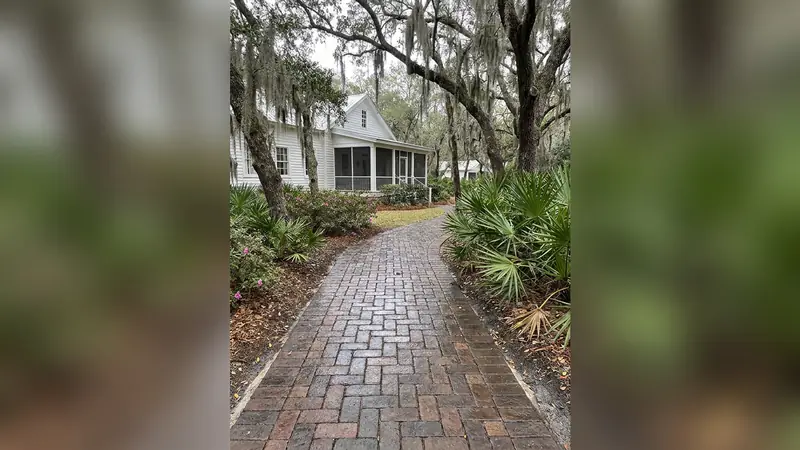
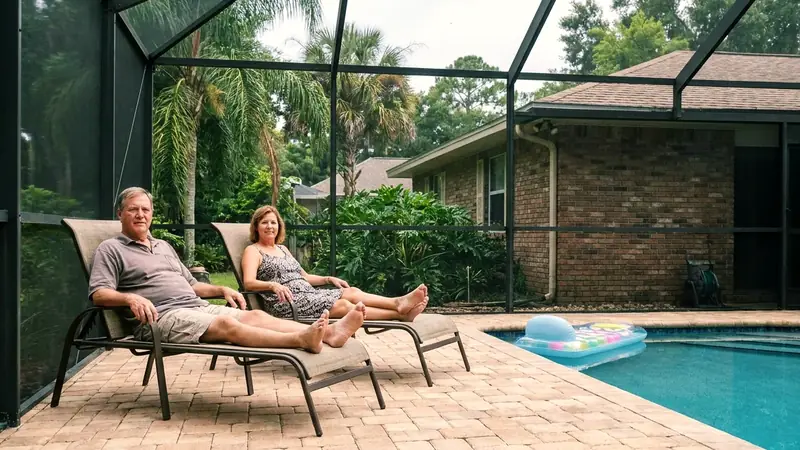
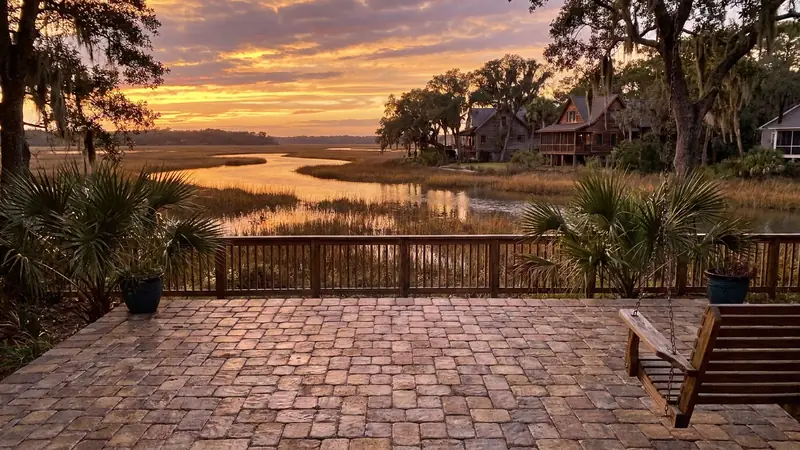
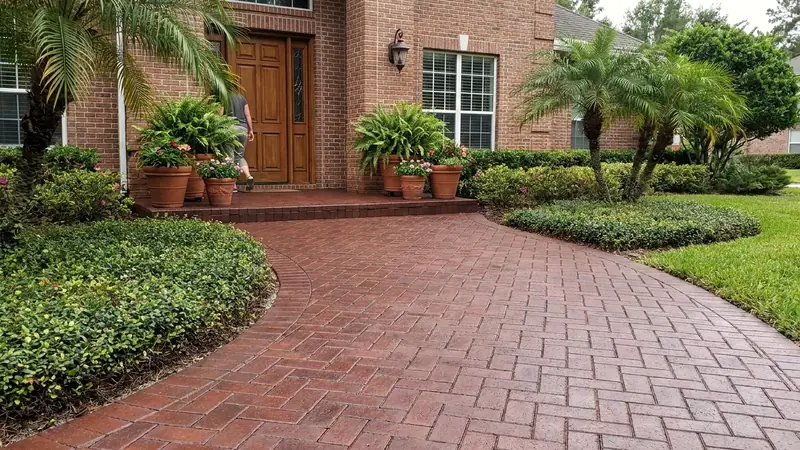
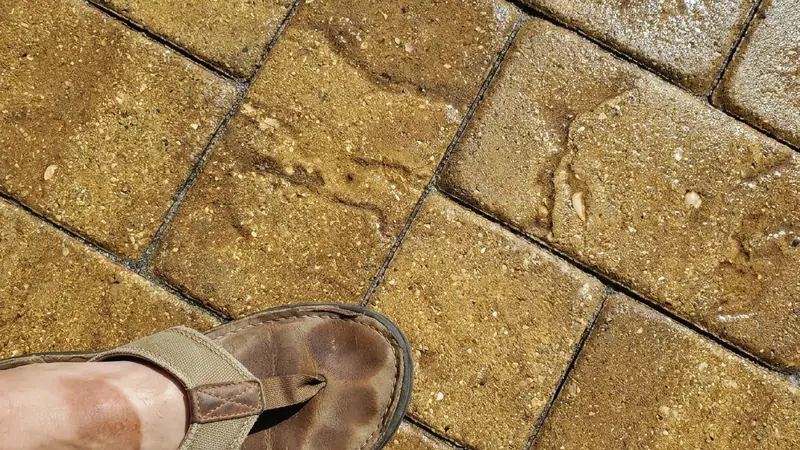
What do sealed pavers look like around San Marco?
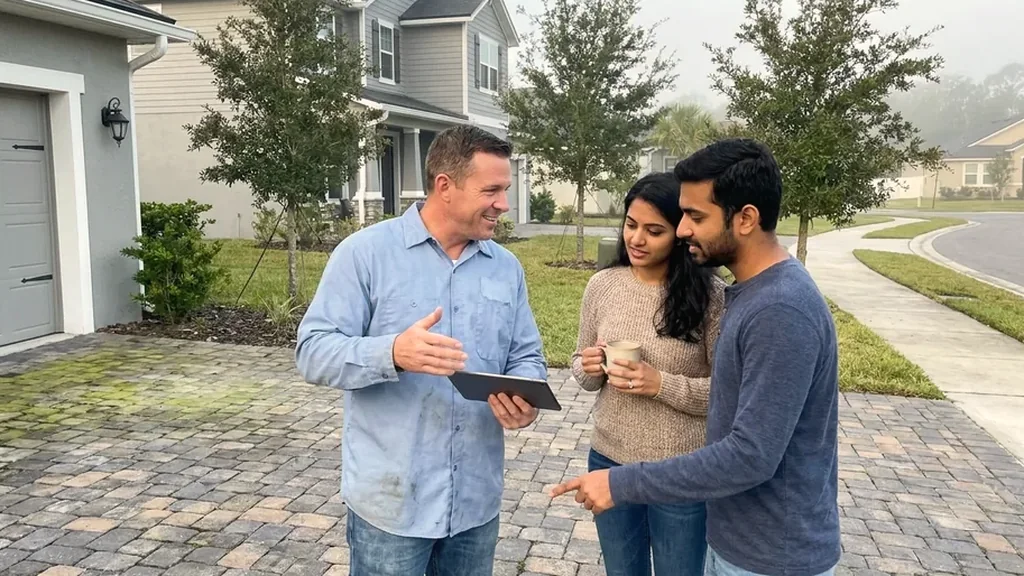
Why local matters in San Marco
A contractor who works in San Marco has seen both brick and concrete, and knows that they take different sealers. That shapes the product, the wash and the drying time. A contractor who has not seen old brick may reach for the wrong sealer. To reach someone who works this part of Jacksonville, call (912) 741-3281.
Local knowledge also covers the river. Tides affect the St. Johns far upstream and have a strong effect near Jacksonville, and high water can reach San Marco yards. A contractor who knows which streets took water can plan a thorough wash, so ask for a free estimate online and mention any past flooding. A wash that skips the silt leaves it under the coat.
Historic rules matter too. A local contractor can tell you when a Certificate of Appropriateness may apply and where to check. The city page lists driveways as an example, and it also says owners can check an address on the Land Development Map. Ask when you ask for a free estimate online, and have your address ready.
Which San Marco landmarks can I name when I call for an estimate?
Start with San Marco Square, the triangular district where Atlantic Boulevard, Hendricks Avenue and San Marco Boulevard meet. The art deco San Marco Theatre opened there in 1938, and Balis Park is nearby. Marco Lake, a former clay pit turned water feature about a quarter mile long, sits close by. If you live near the Square, call (912) 741-3281.
The Red Bank Plantation House, from 1857, is in Colonial Manor and is said to be Jacksonville's second oldest residence. The San Marco Preservation Society formed in 1975, and the neighborhood has fourteen parks. Whichever is nearest your house is the one to mention when you ask for a free estimate online. A park name is often all a contractor needs to find your street.
Marco Lake was a clay pit for the Gamble and Stockton Brick Company, and when the brickyard moved in September 1925 the pit was kept as a water feature. San Marco Square is a triangular commercial district at Atlantic Boulevard, Hendricks Avenue and San Marco Boulevard, with the art deco San Marco Theatre, which opened in 1938. Mention the landmark nearest you when you ask for a free estimate online.
Frequently Asked Questions
Is it good to seal pavers in San Marco?
Yes, for most San Marco homeowners, as long as the product fits the paver. Sealer helps keep joint sand in place and slows weeds. It does wear, so plan on new coats over time. Old clay brick needs a breathable penetrating sealer, and a film can trap moisture. Concrete pavers can take a film. Ask the contractor to name the product and say why it suits your surface. A film sealer on old brick is the mistake to avoid, and a quick test patch can show how the color will change.
What is the average cost to seal pavers in San Marco?
Count on $1.75 to $3.25 per square foot for the full clean, sand and seal, as Northeast Florida companies list it. Small courtyards cost more per square foot, since prep time does not shrink with the surface. Brick, shade and old film can push a job higher, since prep such as mildew removal or stripping old film costs more than the sealer itself. Ask for the total area in writing, and ask what prep the price includes.
Can a contractor clean, sand and seal my San Marco pavers in one visit?
Frequently, though old brick courtyards may need more than a day; one Jacksonville company says most driveways take a single day plus cure time. A larger courtyard or pool deck can take longer. Brick may need longer drying, and a shaded courtyard can hold moisture. Get a timeline for when cars and visitors can use the surface again. A fresh coat is often ready for cars in one to three days.
Is dish soap safe for cleaning pavers before sealing in San Marco?
Leave the cleaning to the contractor, who can pick a method that suits your surface. A brick maker warns that sealing over damp or dirty brick locks the problem in. The wash and the drying time are part of the job. A contractor can also pick a cleaner that suits old brick and mortar, which a store product may not.
How long do paver sealers last in San Marco?
Quotes for coat life usually run two to five years, and sun, shade and traffic move that number. One Jacksonville company says full-sun driveways need resealing about every 18 to 24 months, and shaded walks about every 24 to 36 months. Water that stops beading is a sign the coat is wearing out. One Jacksonville company says penetrating sealers last 5 to 7 years, while film-forming wet-look sealers need resealing every 3 to 5 years.
Do I need city approval to seal pavers in a San Marco historic district?
It depends on the address. Jacksonville requires a Certificate of Appropriateness for exterior work in historic districts, and lists driveways as an example. Check the Land Development Map and ask the city before work starts. The city page does not name sealing, so a short question to staff can save trouble later.
Can I mix brick and concrete pavers under one sealer?
Usually not. A paver company says a yard with both needs two products, since brick wants a breathable sealer and concrete can take a film. The contractor identifies each surface first, and each one gets its own product. A test patch can show the color change on each before the full job.
Should sunken pavers be fixed first?
Yes, repairs come first, since sealing preserves any dip. Point out low spots near oak roots at the first visit. Lifted bricks near a tree may need a reset on a rebuilt base, and that is done before any sealer.
Nearby areas we serve
Ready for a Free Estimate in San Marco?
Call (912) 741-3281 and tell us about your pavers.
Free, no obligation