
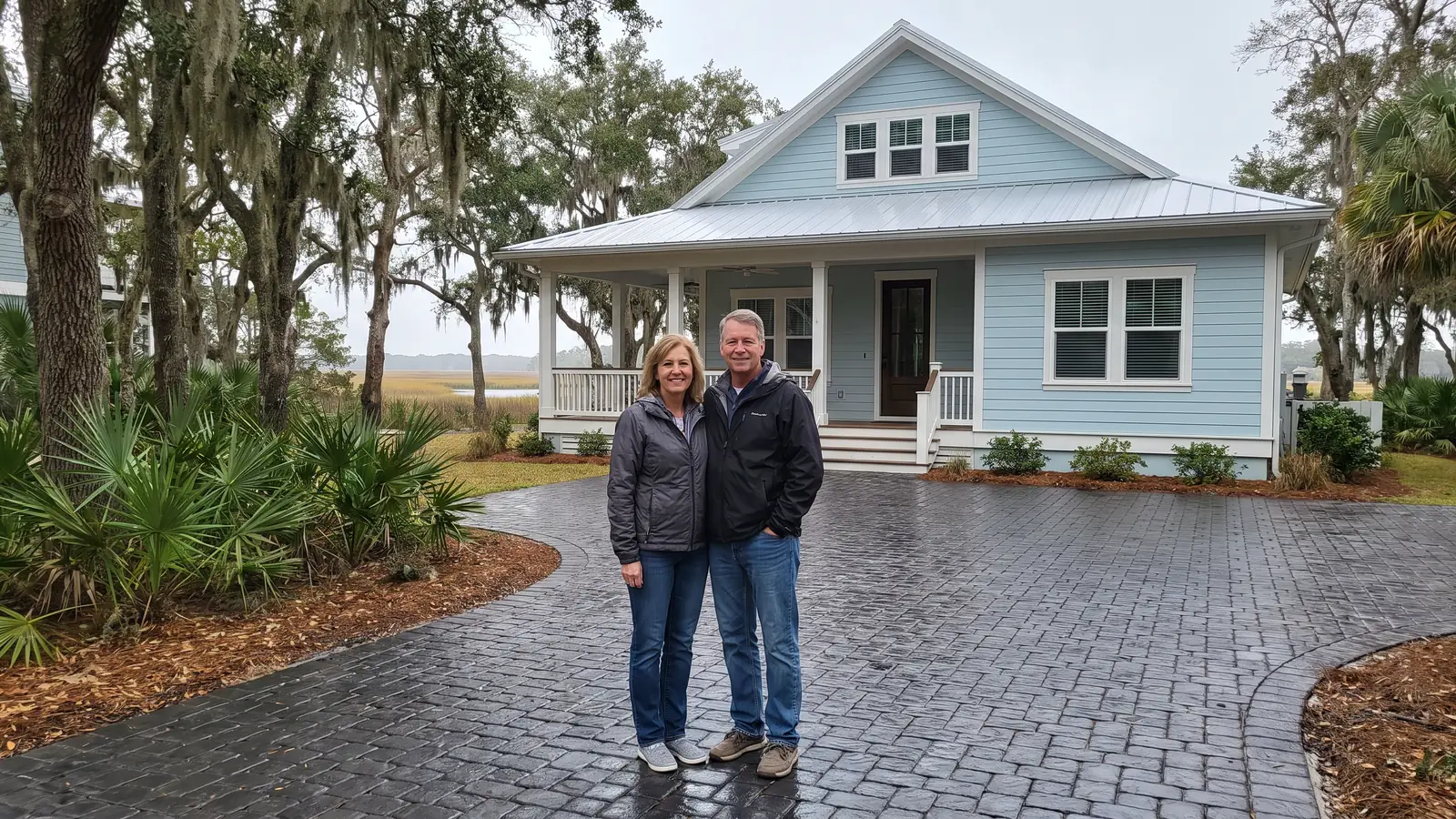
Paver sealing for Atlantic Beach homes
Paver Sealing in Atlantic Beach, FL
Salt, sun and sandy lots: Atlantic Beach pavers can be refreshed, and the estimate is free when you call (912) 741-3281.
- Brings out deeper paver color
- Fresh joint sand helps lock pavers in place
- Gives weeds less room to grow
- Makes the surface easier to keep clean
- Free estimate, no obligation
Request a Free Estimate
Free, no obligation.
Fast, careful paver sealing in Atlantic Beach
Looking for paver sealing in Atlantic Beach? A local contractor will inspect your driveway, lanai or pool deck at no charge, and a reply comes within 1 business day, often the same day. Call (912) 741-3281 to get on the schedule.
Most coastal owners describe the same thing: white salt spots, a chalky color and thin joints near the garage. A wash, new sand and a coat turn that around, and the pavers read as one color again. When you want a figure, ask for a free estimate online.
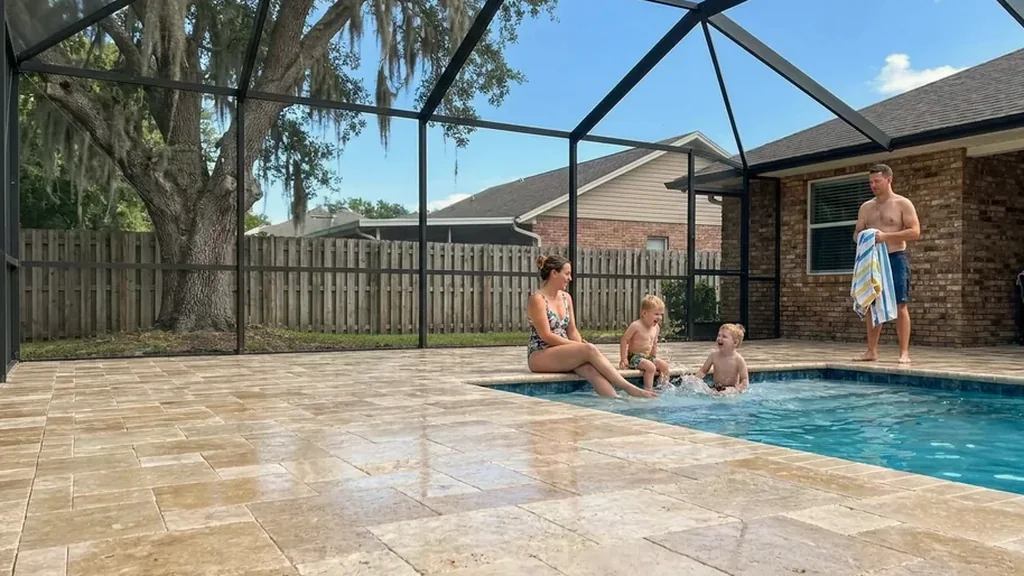
Why hire a local paver sealing contractor in Atlantic Beach?
Between salt air, sandy ground and water-use limits, Atlantic Beach has its own rules for paver work, and a local contractor already knows them. To hear how they affect your lot, ask for a free estimate online.
Free visit, firm price
A contractor comes to your Atlantic Beach home and gives you a price in writing. You can turn it down with no obligation.
Numbers you can check
Posted rates near you run from $1.75 to $3.25 a square foot, clean, sand and seal included. Check any bid against that, and ask what each line covers.
Finish options
Pick a flat matte or a deeper wet look, whichever suits the house. Wet look shows scuffs sooner, so think about how the surface will be used.
Quick replies
Expect to hear back within 1 business day, often the same day, so your project does not sit waiting while you plan around travel or guests.
Get Your Free Estimate in Atlantic Beach
Tell us about your pavers in Atlantic Beach.
Free, no obligation
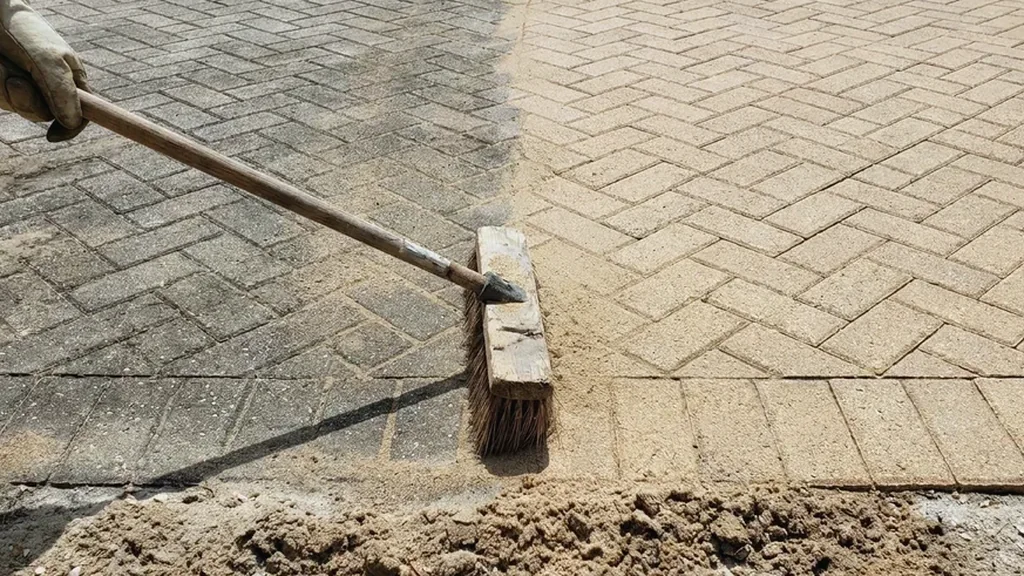
What paver problems show up most in Atlantic Beach?
Salt film on pale pavers
About 73 percent of Atlantic Beach is water, so salt is never far away. A paver maker explains that airborne salt crystallizes as moisture dries, and that light pavers show residue and splash marks sooner. Sealer over salt locks the salt in, which means the wash comes first. White spots near the garage apron are the usual clue. Edges near the street often show it too, where splash from passing cars lands. A contractor can point out the pattern during the visit, and it helps to know which side of the house the salt hits.
Shade from protected trees
Those trees throw deep shade across the street and the driveway, and algae grow faster where air barely moves and surfaces stay wet. A driveway under a canopy turns green along its edges first, and that film comes off in the wash. Leaves and needles from big trees also collect in joints, hold moisture and feed the growth, so a clean-out comes before any sand goes in.
Storms that strip the joints
Between June and September, Northeast Florida gets 28.81 inches of rain, over half its yearly total. Jacksonville's ground is mostly sand and clay, and a local company reports that summer downpours wash sand from unsealed joints. Thin joints invite weeds, so sand is replaced before any coat. A walk that looks solid from the sidewalk may be thin when you bend down and look. That small gap is where weeds take hold.
Low drives that hold water
The city calls Aquatic Gardens a neighborhood with significant, repeated flooding. Standing water leaves silt in the joints. Sealer wants a clean, dry surface, so a drive that drains slowly needs extra time. Tell the contractor about any spot that pools. Pools near the downspout or the apron are the ones to name.
A lot cap that favors keeping pavers
A 2019 ordinance lowered the share of a lot that can be impervious from 50 percent to 45 percent, and the city counts patios, porches and driveways toward it. Restoring the pavers you have leaves your layout alone and your coverage count where it was. Replacing or enlarging them could raise a question with the city. Ask the Building Department before you plan an addition.
Do the country club streets and the older beach streets need different paver care?
They can, since the ages of the homes are far apart. The Atlantic Beach Country Club neighborhood has 178 homesites beside a course that opened in January 2015, while streets near Atlantic Boulevard, finished in 1910, have been settling for generations. Newer pavers may have no old sealer to deal with, and older drives may carry a coat nobody remembers, so tell the contractor which you have when you ask for a free estimate online.
Toward Seminole Road you will find Jack Russell Park at number 850 and Johansen Park at number 1300, which has an official Heritage Tree and plenty of canopy. Seminole Beach joined the city in 1987, so those blocks mix newer and older homes. Several of those streets run close to mature trees. If your pavers sit in shade, call (912) 741-3281 and say how many hours of sun they get.
For residential driveways, the city FAQ points to the Building Department, and it counts patios and driveways as impervious area. Florida law also limits what an association can review about the look of changes, though your own documents come first. Resealing leaves your footprint alone. If you plan to widen anything, ask the city first, and when you are ready for a price, ask for a free estimate online.
What does paver sealing cost in Atlantic Beach?
Around Northeast Florida, listed prices for a full clean, sand and seal run $1.75 to $3.25 per square foot. Salt film, shade, thin joints and an old coat decide where an Atlantic Beach job lands. Small patios cost a bit more per square foot because prep time stays the same. Ask the contractor, and ask for a free estimate online to get the area written into your quote.
| Paved area | Typical example | Clean, sand and seal |
|---|---|---|
| 300 sq ft | Small patio or walkway | $525 to $975 |
| 600 sq ft | Two car driveway | $1,050 to $1,950 |
| 1,000 sq ft | Large driveway or pool deck | $1,750 to $3,250 |
| 1,500 sq ft | Driveway plus pool deck | $2,625 to $4,875 |
Math based on the $1.75 to $3.25 per square foot that Northeast Florida paver companies publish. Your contractor sets the actual price after seeing the surface. Repairs, leveling and stripping failed sealer are usually extra.
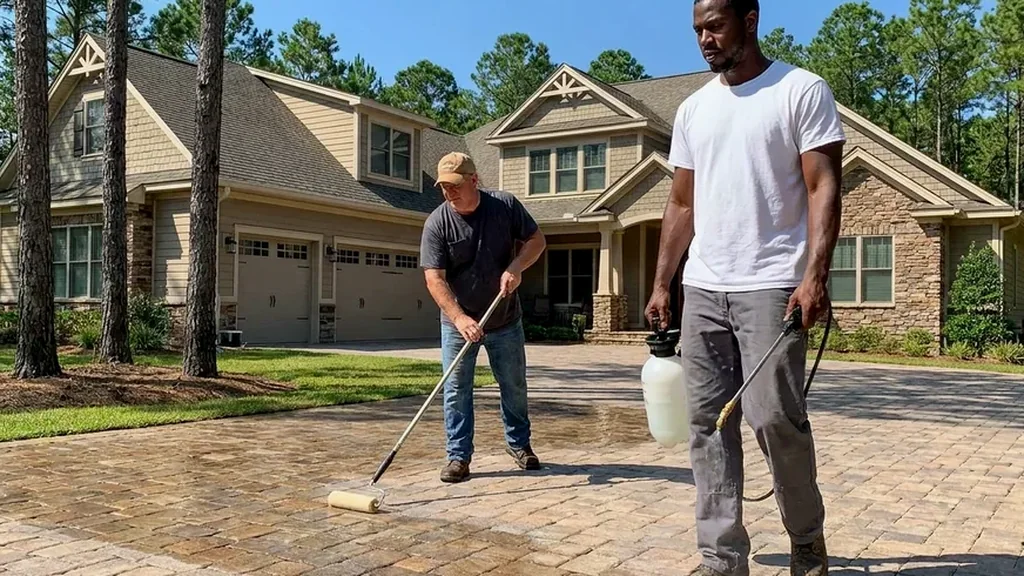
How does a paver sealing job work in Atlantic Beach?
Check how water leaves the drive
The contractor starts at the garage and follows the flow to the street. You can walk along and point out anything you have noticed. Low or lifted pavers are marked for repair, since a coat of sealer preserves any dip it covers. If an old coat is down, the type matters, because water-based sealer cannot go over solvent-based sealer.
Rinse out salt and shade growth
The wash targets salt spots near the garage, green film where trees shade the drive, and any rust or oil. Salt left behind would end up sealed under the coat. Shade and salt together mean a second pass on some edges.
Put sand back in
Washing carries joint sand away, so new sand is worked in and swept clean. On Atlantic Beach's sandy ground, thin joints are where weeds and loose pavers begin. Once the joints are full, the sealer has something solid to hold. Loose grains on top are swept off so none end up under the coat.
Hold for a dry day
Plan on a full day of drying after cleaning or rain, and aim for spring or fall when the weather holds. A shaded patio may need longer, and a lanai under a roof can hold damp air for days. Rushing this step is how damp pavers end up cloudy. A wet look is the one that can turn cloudy white on a damp surface.
Coat it and stay off
Sealer goes on by spray and roller, in the finish you picked. Feet are often fine within a few hours, while cars wait about a day, one Jacksonville company says. Ask for firm times on your job, and plan where the cars will park. If you have a boat or an extra car, decide where it will wait.
Complete paver services in Atlantic Beach
Picture the job as four quick stages: wash, sand, dry, coat. Salt and shade growth come off first, joint sand goes in next, and nothing is sealed until the surface is bone dry. For a sense of how that plays out on your lot, call (912) 741-3281.
An Atlantic Beach property may have a driveway, a lanai, a pool deck and a front walk, and each ages differently. Tires and oil hit the drive, splash and sun hit the deck, and shade grows green on the walk, so each gets its own plan. With a median age of 47.9 in town, many owners want the work handled without fuss. Say which surfaces you want done when you ask for a free estimate online.
Sealer choice has two parts, and you make both calls. First is the base, since an earlier solvent-based coat rules out a water-based one. Second is the look, where a wet finish is richer but scuffs show sooner on a busy drive. To talk it through, call (912) 741-3281.
Spring and fall give the calmest sealing weather, while the wet season runs June through September. A near-daily sea breeze in summer sets off showers, and a shower can bump a date. The forecast gets checked so the coat stays dry, and you can ask for a free estimate online to pick a window.
Questions to ask before you hire
- Will the estimate list the square footage, the sealer and the number of coats?
- Can you clear the green algae along the edges near my sprinklers?
- Which sealer do you recommend for pavers that get salt air and afternoon sun?
- Can new pavers be sealed right after they are installed, or should I wait?
- What happens to the sealer if it rains the same afternoon?
- Will you walk the job with me and point out cracked or sunken pavers first?
- How long should cars and kids stay off the driveway after sealing?
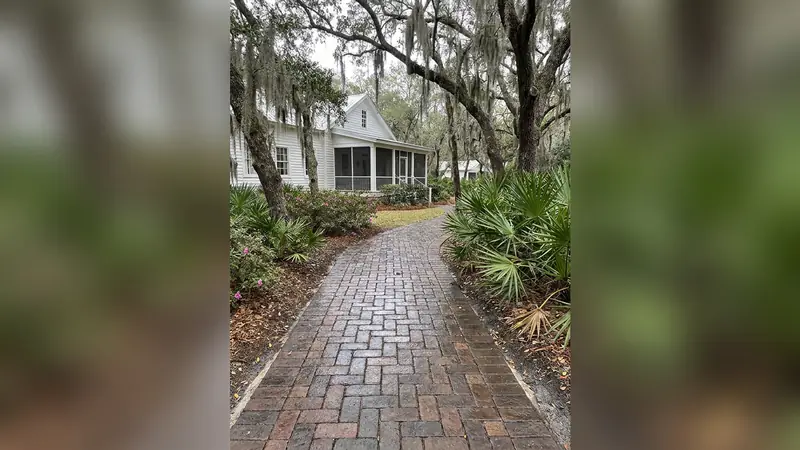
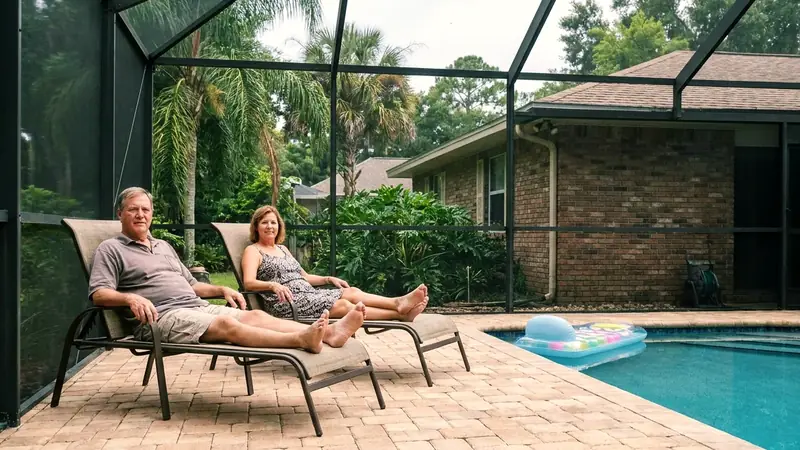
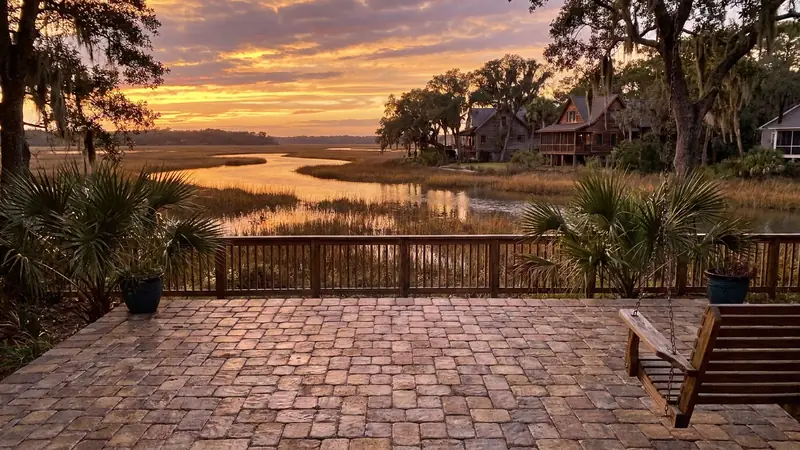
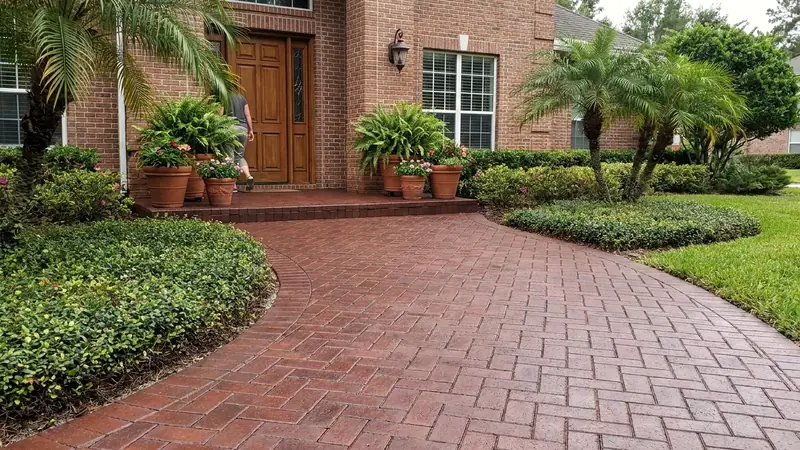
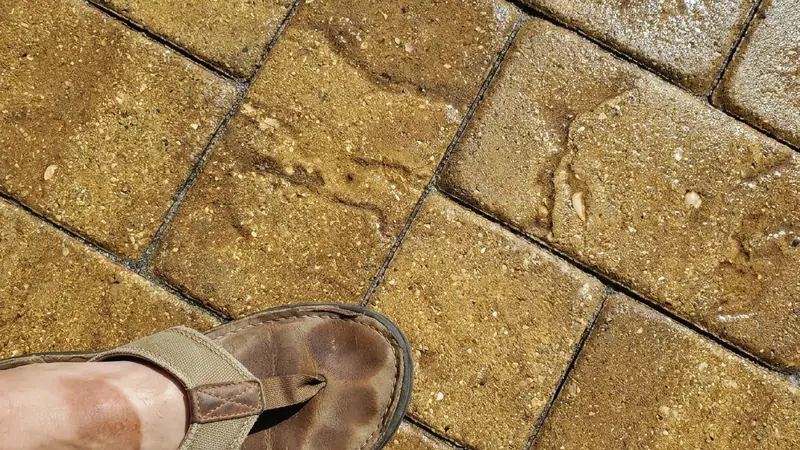
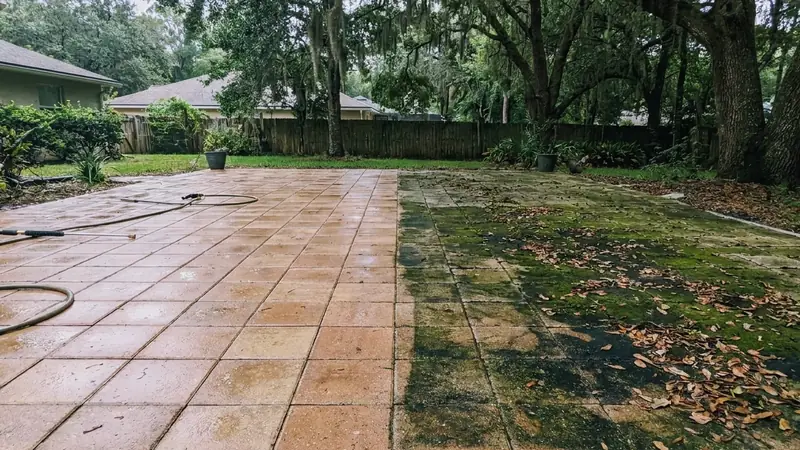
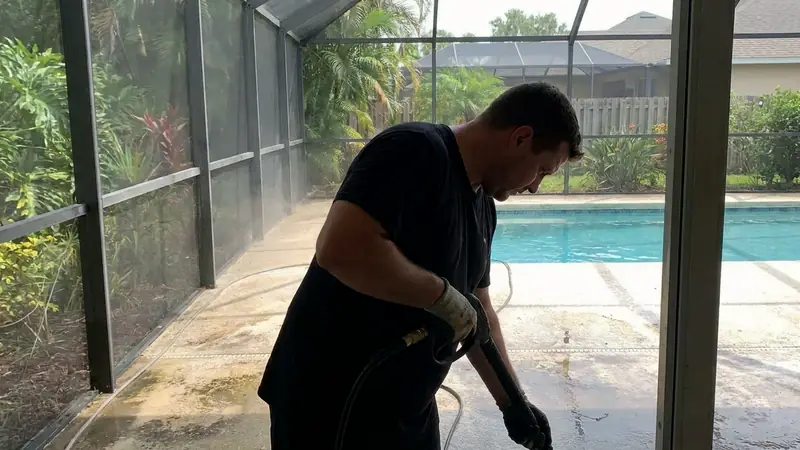
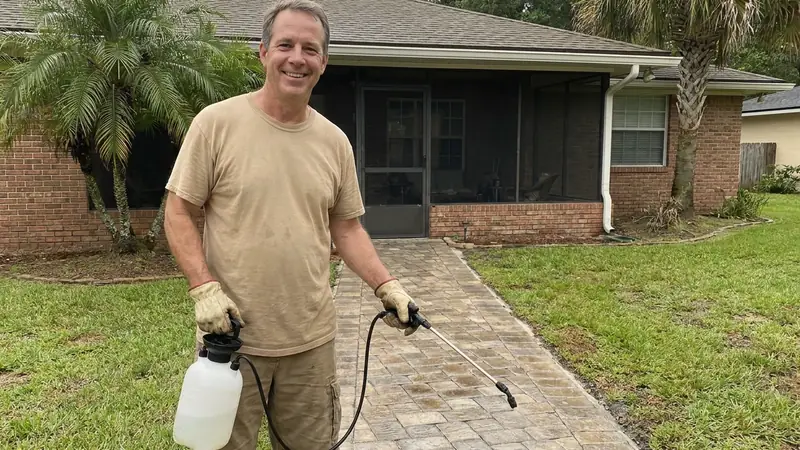
What do sealed pavers look like around Atlantic Beach?
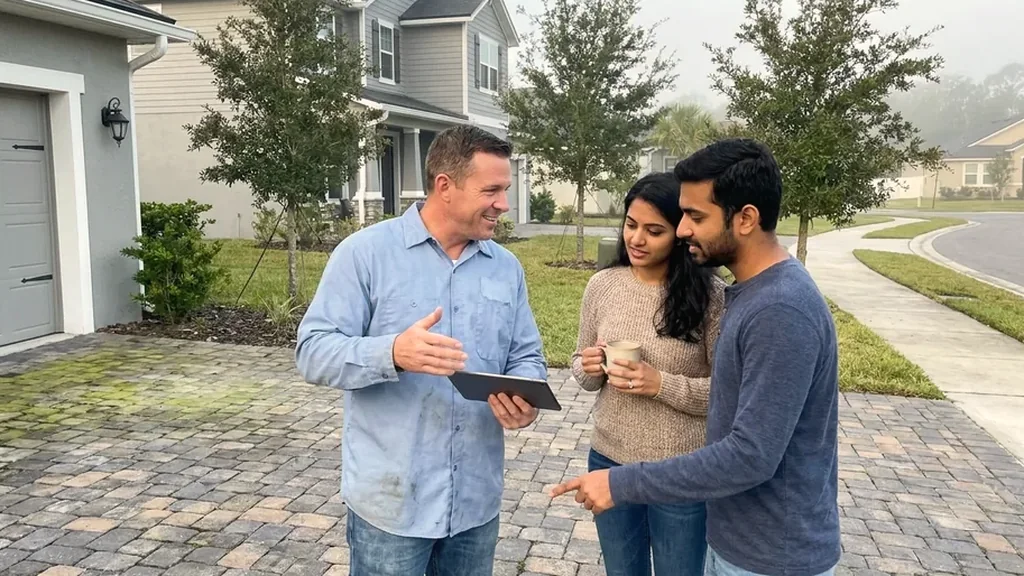
Why local matters in Atlantic Beach
A contractor who works Atlantic Beach every week sees how quickly salt builds up on pale pavers and which streets drain slowly after a storm. That shapes the wash time and the start of sealing. It also shapes how many days to keep the driveway clear. Call (912) 741-3281 for a plan that suits your street.
Local knowledge covers the rules too. A local contractor can explain how each one touches your job. You can ask for a free estimate online to ask.
Homes differ block to block. A 2015 country club home, a house near Seminole Road under big oaks and a lot near Aquatic Gardens each need different prep. Someone who has seen all three is less likely to be surprised. Name your street when you ask for a free estimate online.
Which Atlantic Beach landmarks can I name when I call for an estimate?
Name whatever is closest, since a landmark helps a contractor find your street fast. Donner Park and the Gail Baker Community Center are at 2072 George Street, and Bull Memorial Park at 716 Ocean Boulevard holds the Adele Grage Cultural Center. The Beaches Town Center belongs to both Atlantic Beach and Neptune Beach, though each keeps its own government. Near any of those, call (912) 741-3281.
On the Intracoastal side, Tide Views Preserve at 1 Begonia Street has about 2,500 feet of trails and a launch for canoes and kayaks. Dutton Island Preserve, once called Pine Island, covers 31.86 acres. Kathryn Abbey Hanna Park at Mayport covers 447 acres of coastal hammock, and part of it was once Manhattan Beach. Mention the park nearest you when you ask for a free estimate online.
Atlantic Boulevard was completed in 1910 as a link to Jacksonville. After 1913 the Atlantic Beach Corporation paved streets and put in the first light, water and sewer lines. Blocks that old hold some of the longest-standing pavers in the city, so ask the contractor to read what is already on yours when you ask for a free estimate online.
The city covers about 13.0 square miles, of which 3.5 are land and 9.5 are water. Its western boundary was extended to the Intracoastal Waterway in 1996. Selva Marina Country Club opened in 1958 and hosted the first Greater Jacksonville Open in 1965. Name the part of town you live in when you call (912) 741-3281.
Jacksonville soil is mostly sand and clay, and rainfall averages around 52 inches a year. Most of it comes from May to September in brief but intense downpours, while November to April is the driest stretch. Sealer needs a dry surface, so ask which part of the calendar suits your pavers when you ask for a free estimate online.
The University of Florida says plants within about one-eighth of a mile of a saltwater coast should be at least somewhat salt tolerant. A paver maker adds that salt travels as airborne particles and can crystallize on surfaces as moisture evaporates, and that pale pavers show the residue and splash marks sooner. A contractor can tell you how that applies to your block, so call (912) 741-3281.
UF/IFAS says water oak acorns stain asphalt and concrete where they fall, and that live oaks grow 60 to 80 feet tall with a spread of 60 to 120 feet. Laurel oak leaves usually stay on the tree until early spring. Pavers under big canopies collect leaf litter for much of the year, so mention the trees over yours when you ask for a free estimate online.
Frequently Asked Questions
Is it good to seal pavers in Atlantic Beach?
For most coastal homeowners, yes. A paver maker says salt can crystallize on surfaces and that pale pavers show marks sooner, and a sealer adds a protective layer between the surface and the next splash of spray. Choose matte for a natural look or wet look for deeper color. Ask the contractor how the coat will look on pavers as pale as yours. Samples on a small patch help you decide.
How much does it cost to seal pavers in Atlantic Beach?
Expect $1.75 to $3.25 per square foot for the whole clean, sand and seal job, going by what Northeast Florida companies post. Salt film, shade growth and an old coat move a job inside that range. Get the total square footage written into the quote, and ask whether joint sand and stain treatment are included. Those two items explain most of the gap between low and high bids.
How long do paver sealers last near the ocean?
Most quotes put a coat's life at two to five years. A Jacksonville company puts sunny driveways near 18 to 24 months and shaded walks at 24 to 36, so a sunny Atlantic Beach drive may fall on the short end. Check the busiest stretch first, near the garage door. When water stops beading and soaks in fast, the coat is spent.
What are the downsides of sealing pavers?
Mostly upkeep and timing. Sealer wears, which means another coat down the line, and a wet look shows scuffs before matte does. It also needs a dry surface, so a rainy summer can push a date back, and shaded lots wait longest. None of that is a reason to skip it, but it helps to know before choosing a finish. A contractor can explain each one in plain terms.
Can a contractor clean, sand and seal my Atlantic Beach pavers in one visit?
Often, since a Jacksonville company reports that most driveways are cleaned, sanded and sealed in a single day, with cure time on top. A large pool deck, a second wash for heavy salt film or a damp morning can stretch that into a second day. Ask for a schedule so you know when cars can return. A bigger deck means a longer day.
Do I need a permit to seal pavers in Atlantic Beach?
The city FAQ sends owners to the Building Department for installing residential driveways, and sealing is not installing. If you plan to change your layout, ask the department first. An association may also have its say about color or finish, so check your governing documents. Your papers come before any general rule.
Should sunken pavers be fixed before sealing in Atlantic Beach?
Yes, repairs come first. A Jacksonville paver sealing company says sealing preserves any sunken or lifted section, so those spots are reset before the coat. Point out low spots at the first visit, especially near the garage and the street, and tell the contractor if a spot holds water after rain. Flags or chalk marks make the walk-through faster.
Nearby areas we serve
Ready for a Free Estimate in Atlantic Beach?
Call (912) 741-3281 and tell us about your pavers.
Free, no obligation