
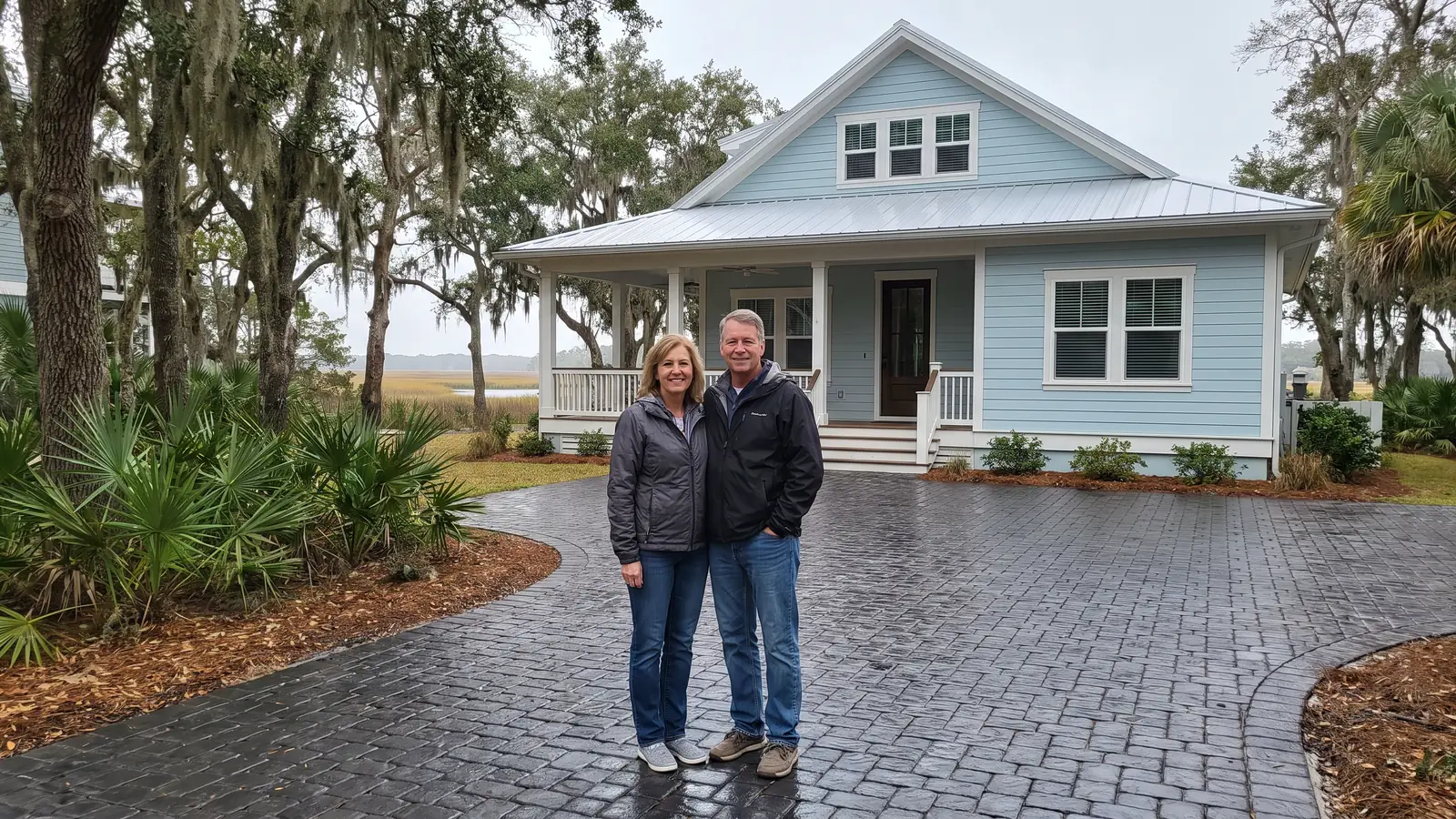
Paver sealing for Panama Park homes
Paver Sealing in Panama Park, FL
Panama Park homes between the Trout and St. Johns Rivers can get weathered pavers sealed, so call (912) 741-3281 today.
- Brings out deeper paver color
- Fresh joint sand helps lock pavers in place
- Gives weeds less room to grow
- Makes the surface easier to keep clean
- Free estimate, no obligation
Request a Free Estimate
Free, no obligation.
Fast, careful paver sealing in Panama Park
Paver sealing in Panama Park is open to homeowners from the brick houses near 44th Street to the streets along Main Street, with a free estimate from a local contractor. The work covers driveways, walkways and patios, from the first wash to the last coat. A request sent through ask for a free estimate online is answered within 1 business day, usually much sooner.
Picture the driveway after a high-water week: gray film, silt in the corners and sand gone from the joints. A wash, new sand and a coat bring it back to one even color that rinses clean. To talk it over first, call (912) 741-3281 and tell the contractor what you see.
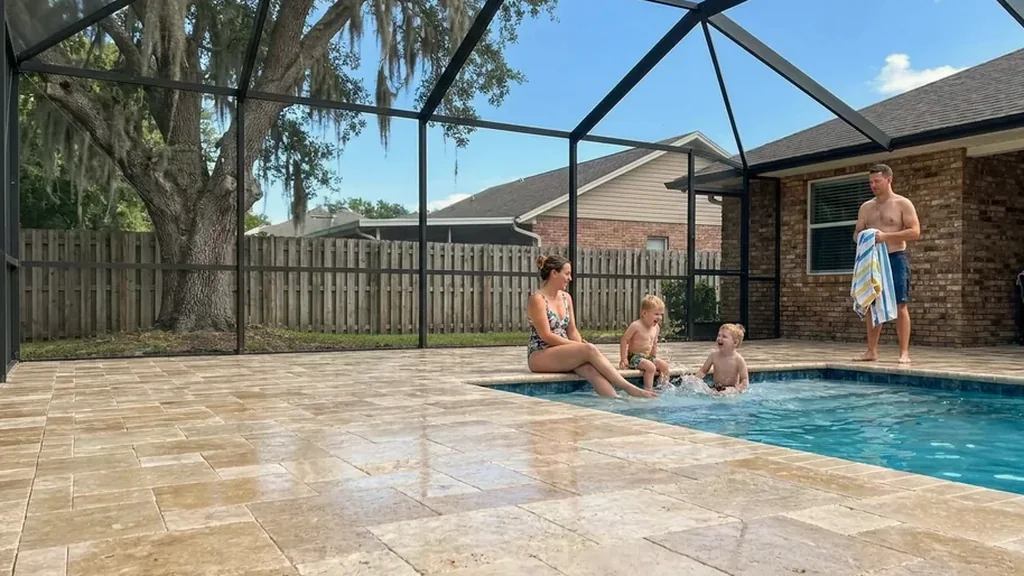
Why hire a local paver sealing contractor in Panama Park?
Panama Park sits between the Trout River and the St. Johns River, and that water shapes how pavers wear here. To hear how it applies to your street, ask for a free estimate online.
A look before a price
A local contractor walks your Panama Park pavers and quotes afterward, with no charge for the visit.
A reference range
Around Jacksonville, advertised pricing runs $1.75 to $3.25 per square foot for the full job. Set any bid against that.
Matte or shine
Matte sits well beside brick. A wet look gives deeper color but shows wear in the drive lane.
You decide
The date, the finish and the final yes are all yours. A request gets a reply within 1 business day, usually sooner.
Get Your Free Estimate in Panama Park
Tell us about your pavers in Panama Park.
Free, no obligation
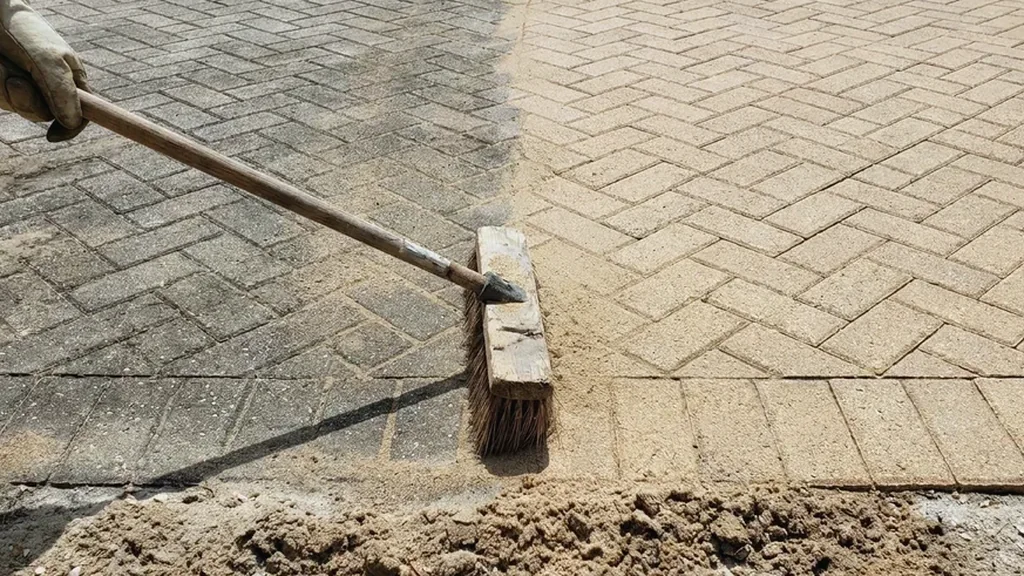
What paver problems show up most in Panama Park?
River silt and flood film
Flood water that crosses a driveway leaves silt and film. Sealing over it would lock the dirt in, so the wash comes first. If your yard held water in a past storm, tell the contractor so the low spots get a closer look at the walk-through.
Leaf stains under old street trees
An early description of Panama Park counted more than 8,000 trees on its streets, including magnolias, oaks, olives and cedars, and early deed restrictions set homes at least 25 feet back from the street. A paver company in St. Johns County says leaf tannins, mildew and tree cover create different needs than an open driveway. Shaded walks stay damp and grow green film, which means they need extra wash time. A walk under a magnolia or oak is a good example, and leaf litter makes it worse. After the wash, sealed joints hold their sand and give moss less to grip.
Fine sand that settles at the edges
USDA describes the Ortega soil series, with its type location in Duval County, as a moderately well drained fine sand more than 80 inches deep. That is county-level data. Sand like that can move under a drive after heavy storms. Sinking and washouts are the main reason pavers fail, according to a Jacksonville company. Low spots get reset before sealing, because sealing over a dip only preserves it. Tree roots can also crack pavers or lift a section, and those get repaired first.
Orange rust from irrigation
The University of Florida notes that iron is common in Florida well water, and orange rust deposits can follow wherever irrigation lands. A sprinkler aimed at the driveway can stain an apron within a season. Stains are pre-treated before sealing, because sealer locks in whatever is already on the surface. Some stains lighten and some stay faint, so ask what to expect.
Sun fade and drive-lane wear
Coastal FL Jax, a Jacksonville paver company, says the sun fades unsealed concrete pavers within 3 to 5 years and that sealer works like sunscreen for the pigment. Drive surfaces wear faster than patios, so the apron usually fades first. Jax Exterior Cleaning adds that a driveway carries a few tons each time a car pulls in, and turning tires loosen joint sand at the apron. Sealed joints hold that sand better, which keeps the pavers steady.
Can homes across Panama Park get paver sealing?
Homes across Panama Park, including the older brick streets, can get paver sealing and a free estimate. The neighborhood sits between the Trout and St. Johns Rivers, and its southern edge is Main Street, East 63rd Street and the CSX railroad, which splits it in two. Near 44th Street most of the homes are brick, and the Oakwood Street area has well-kept historic residences. To check a specific street, ask for a free estimate online.
ZIP 32208, which covers Panama Park, had 33,286 residents and 13,004 households in 2020, with a median age of 40.3. Owners occupy about 57 percent of occupied units. Homes of different ages mean pavers of different ages and different sealers, so call (912) 741-3281 and tell the contractor what you have. A short description or a photo gets the conversation started.
The city park called Panama Park, at 6912 Buffalo Avenue, sits on ten acres bought in 1929, and the Bert Maxwell Boat Ramp is just west of the Trout River bridge. Houses near the water see more moisture, and the contractor can look at how yours drain. The Bert Maxwell ramp opened in September 1961 and the fishing pier was rebuilt in 2006, so the waterfront is a working part of daily life. To book it, ask for a free estimate online.
What does paver sealing cost in Panama Park?
Advertised pricing around Jacksonville runs $1.75 to $3.25 per square foot to clean, sand and seal, with strip-and-reseal higher when an old coat has failed. A Panama Park quote moves inside or outside that range with size and joint condition. To get yours, ask for a free estimate online.
Hydrowash 360 says smaller projects cost more per square foot because prep time does not shrink with the surface. Locked gates and tight side yards add prep, and failed sealer must be stripped before a new coat. Call (912) 741-3281 and ask for each of those lines to be itemized.
| Paved area | Typical example | Clean, sand and seal |
|---|---|---|
| 300 sq ft | Small patio or walkway | $525 to $975 |
| 600 sq ft | Two car driveway | $1,050 to $1,950 |
| 1,000 sq ft | Large driveway or pool deck | $1,750 to $3,250 |
| 1,500 sq ft | Driveway plus pool deck | $2,625 to $4,875 |
Math based on the $1.75 to $3.25 per square foot that Northeast Florida paver companies publish. Your contractor sets the actual price after seeing the surface. Repairs, leveling and stripping failed sealer are usually extra.
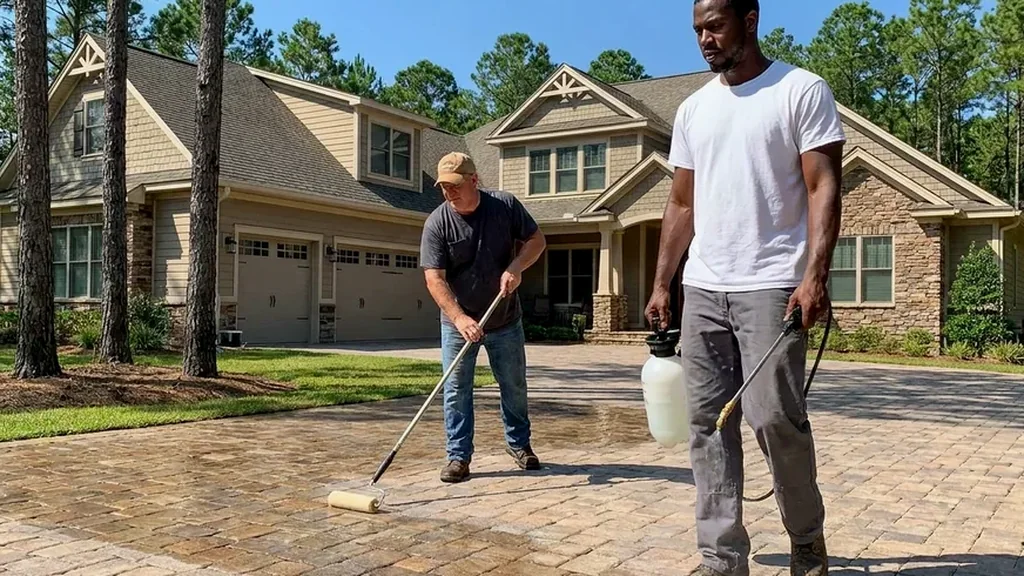
How does a paver sealing job work in Panama Park?
First visit
The contractor measures the drive, the walk and any patio, and checks the surface for dips, thin joints, rust marks and silt left from high water, plus shaded corners where mildew gathers. You get a price and a plain list, and nothing starts until you say yes.
Wash day
Silt, gray film, green growth, oil and tire marks come off, and shaded edges under old street trees get a second look. Going above 3,000 PSI on standard concrete pavers risks stripping the surface, so the wash is kept gentle.
Dry stretch
Sealer needs a dry surface. One manufacturer bulletin says most of its sealers need 24 hours dry after cleaning or rain, so the contractor books around a dry stretch, even in a wet week.
Sand day
Joint sand washes out with the dirt, so sand goes back into every joint and is compacted, which keeps the pavers from shifting. A low-contrast sand color helps the surface look clean and solid once sealed.
Seal day
The sealer goes on by spray and is back-rolled to push it into the joints. Expect foot traffic to be fine within a few hours and cars to stay off about a day, and the contractor gives the timing for that product.
Complete paver services in Panama Park
A river-town job runs in the same order every time. Wash off silt and film, let the pavers dry, refill the joints, then spray and back-roll the coat. Joint sand washes out with the dirt, so it is always replaced. To ask how long each part takes at your address, ask for a free estimate online.
Sort your surfaces. A drive needs tire marks, oil and rust dealt with, a shaded walk needs mildew and leaf stains lifted, and a pool deck needs anti-slip in the sealer. Call (912) 741-3281 with the list, and the contractor can plan around all three.
Wet look darkens and saturates color but shows wear in drive lanes, while natural matte adds no shine. Water-based sealer cannot be layered over solvent-based sealer, and a later change of finish means stripping what is down. A short chat on finish saves a redo, and a sample patch settles most doubts. For that chat, call (912) 741-3281.
A Jacksonville company says spring and fall often bring the most stable weather for sealing. Rain totals near 52 inches a year in Jacksonville, concentrated from May to September, and sealer needs a dry surface. Companies commonly quote two to five years between coats, so a well-timed job lasts. To see open dates, ask for a free estimate online.
Questions to ask before you hire
- Do I get a matte, satin or wet look finish, and can I choose?
- Will my homeowners association need to approve the color or the finish?
- Do you replace the joint sand that washes out during cleaning?
- Will the estimate list the square footage, the sealer and the number of coats?
- How long should cars and kids stay off the driveway after sealing?
- Can you clear the green algae along the edges near my sprinklers?
- Which sealer do you recommend for pavers that get salt air and afternoon sun?
What do sealed pavers look like around Panama Park?
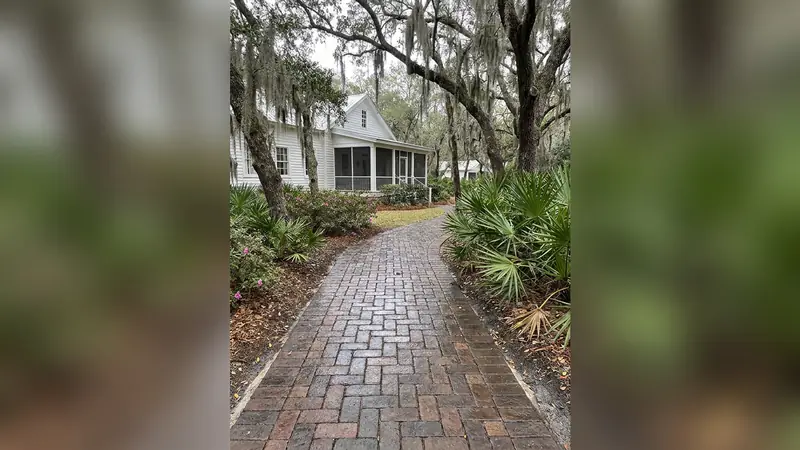
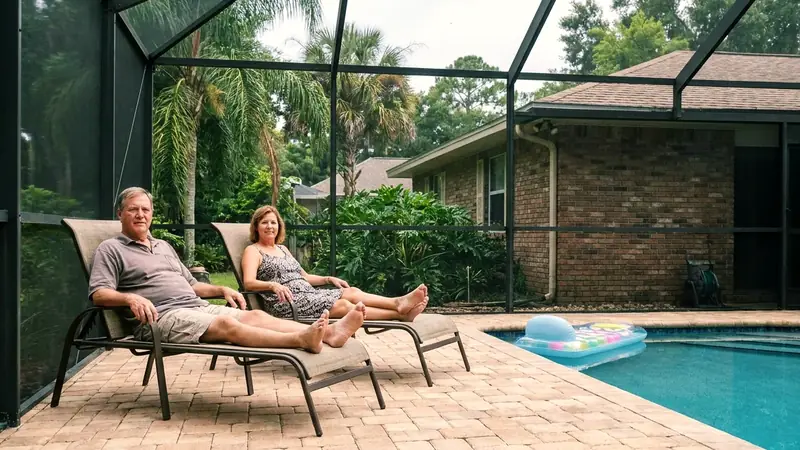
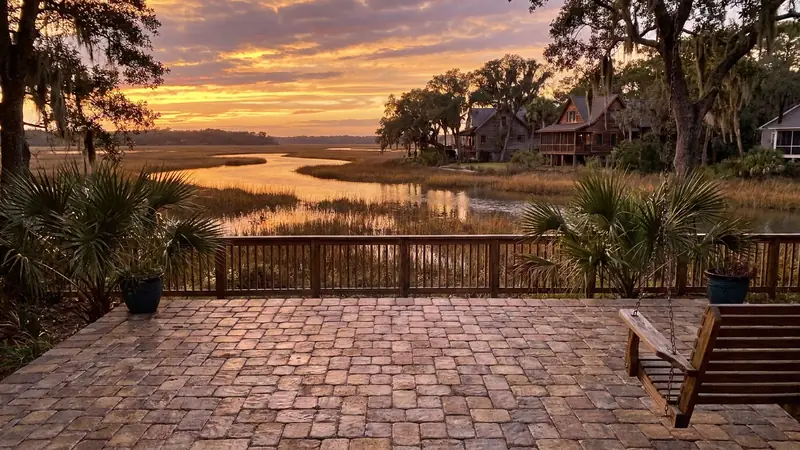
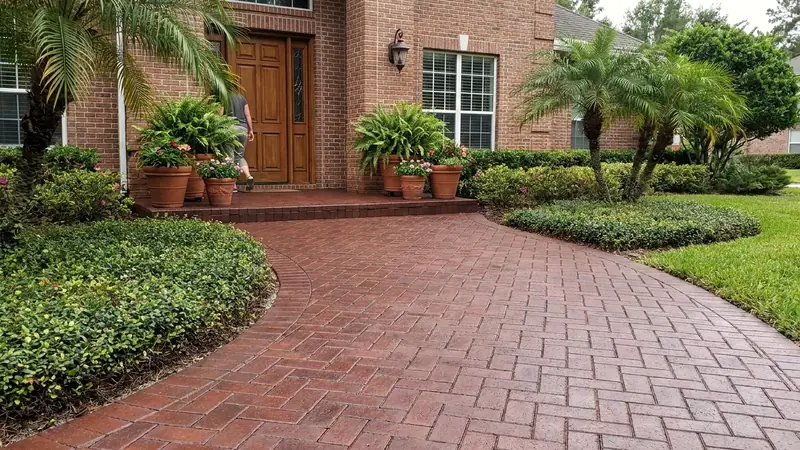
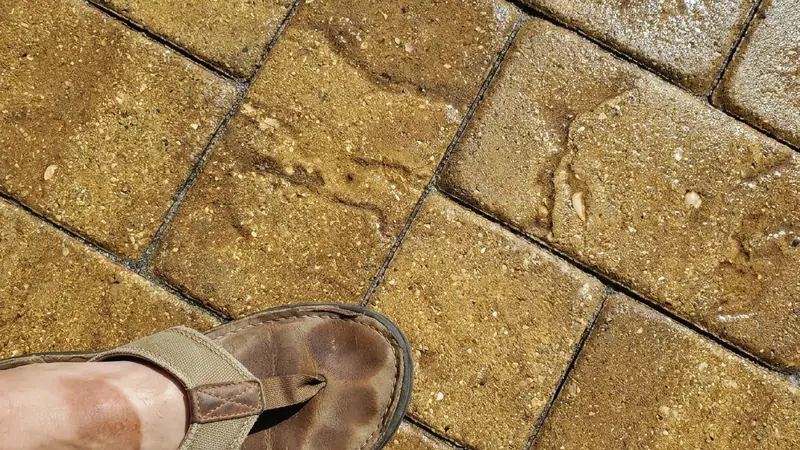
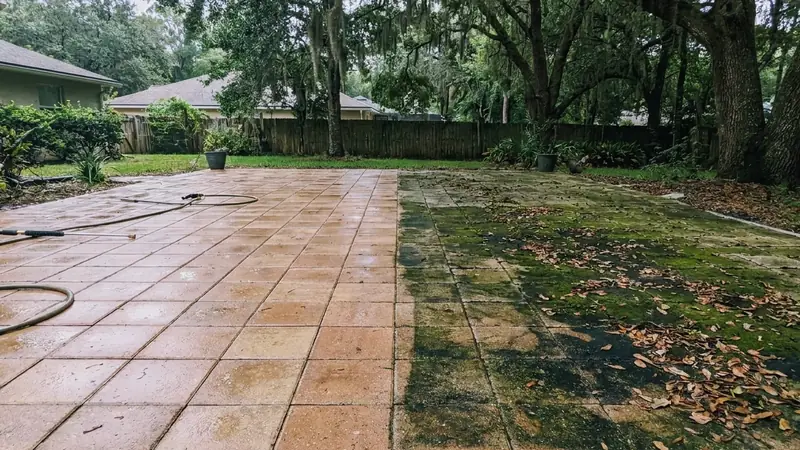
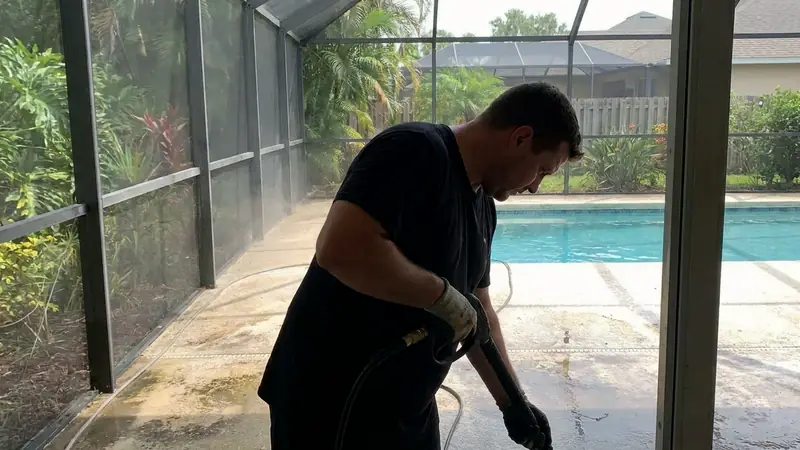
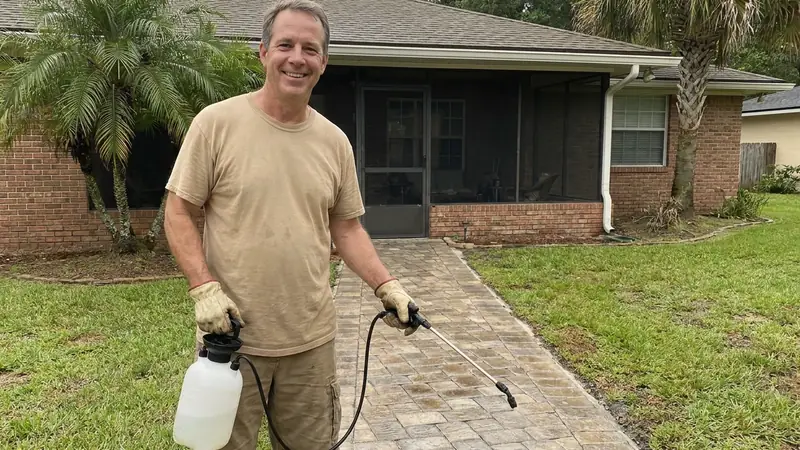
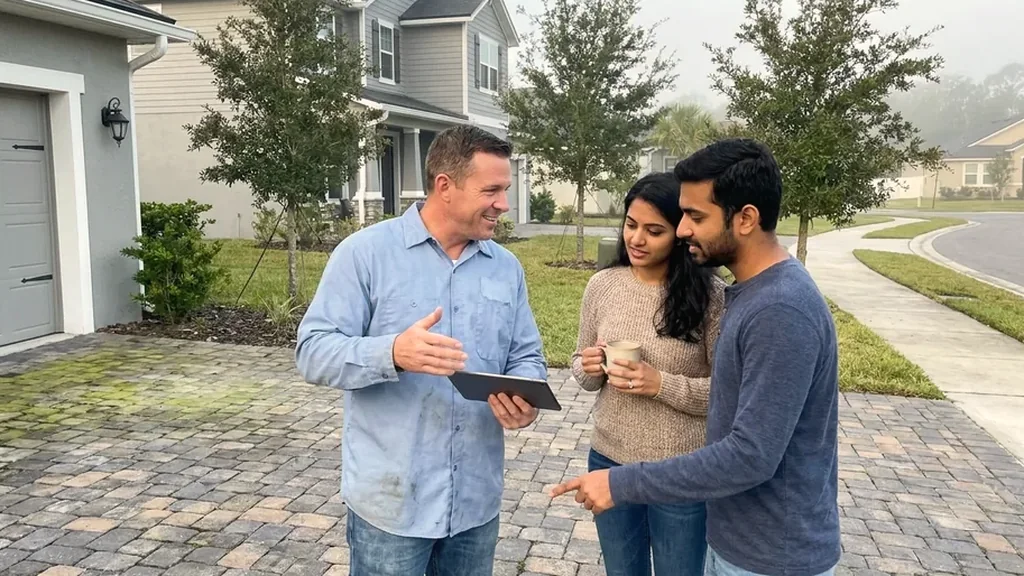
Why local matters in Panama Park
Panama Park runs along two rivers and a railroad. The Trout River is about half a mile wide where Main Street crosses it, and high water has damaged homes along it. A contractor who knows that waits for the pavers to dry and checks the low side of the lot. To tell the contractor where you live, ask for a free estimate online.
The neighborhood's history helps a contractor read the homes. In 1828 Charles Sibbald built East Florida's first steam-powered sawmill at Panama Park, and his son-in-law later opened the region's first brick kiln. Brick runs through the area to this day, with mostly brick homes near 44th Street and well-kept historic homes on Oakwood Street. Call (912) 741-3281 and say what your pavers are made of.
Reseal timing is local judgment. Shaded walks with light foot traffic go about 24 to 36 months, per PaverGuard, and busy drive lanes wear faster. A contractor who has seen your block can read the wear and tell you if you can wait. To ask, ask for a free estimate online.
What is Panama Park known for?
Panama Park is a Northside neighborhood about five miles north of downtown Jacksonville. Cummer Lumber Company was founded there in 1896, and Culver Elementary opened in 1916 in a Prairie style by architect Henry Klutho. The city annexed Panama Park in 1925, so many streets are close to a century old. To get a price for your driveway, ask for a free estimate online.
On the waterfront, marinas, seafood markets and petroleum terminals still operate, and Florida's first crab meat processing plant moved to the Trout River there in 1934. Panama Park Pharmacy at 7303 North Main Street has been in business since 1928, and Joseph's Pizza, established in 1956, is the city's oldest pizzeria. Seafarers Marina has operated since 1979 with 75 slips. When you are ready to plan the work, call (912) 741-3281.
The city park called Panama Park is at 6912 Buffalo Avenue between 59th and 60th Streets. The city bought ten acres there in 1929, and the park has a splash pad, tennis courts and ballfields. A park or street you know is enough for a contractor to find your home, so ask for a free estimate online.
The USDA Ortega soil series has its type location in Duval County. It is moderately well drained fine sand more than 80 inches deep, with rapid permeability. Sandy ground drains fast, but a hard summer rain can still wash sand out of unsealed joints, so ask about the joints when you call (912) 741-3281.
The Panama Park site once held East Florida's first steam-powered sawmill, built in 1828, and it grew as a 19th-century suburb with major growth after 1905. Clark's ten-year deed restrictions required 25-foot front yard setbacks and a sewer connection before a house could be occupied. Older lots like these often carry pavers added long after the house, so say when yours went in when you ask for a free estimate online.
The Trout River is about 20 miles long and lies entirely within Jacksonville's Northside, and its lower section is brackish. In 1934 Florida's first crab meat processing plant moved to the river at Panama Park. Evergreen Avenue was the neighborhood's early commercial center, and the railroad splits the area, so name your cross street when you call (912) 741-3281.
Frequently Asked Questions
Are sealed pavers worth the cost in Panama Park, Florida?
For most driveways, yes. Sealing slows sun fade, keeps joint sand from washing out in summer storms and keeps oil and dirt on the surface. A local contractor can look at yours and tell you if now is the time. The first look is free, and the estimate carries no obligation.
Can a contractor clean, sand and seal my Panama Park pavers in one visit?
The work usually runs in stages over more than one day, with a drying stretch between washing and sealing. The contractor cleans, replaces joint sand and applies the sealer in order. The estimate lists each stage and the days to plan for.
How long do paver sealers last in Panama Park?
In Northeast Florida a coat lasts two to five years, depending on sun, rain and traffic, and no single number fits every property. Shaded walks may go 24 to 36 months, and busy drive lanes wear sooner. Fast soaking with no beading means it is time.
What is the average cost to seal pavers in Panama Park?
Quotes advertised around Northeast Florida land between $1.75 and $3.25 per square foot to clean, re-sand and seal. Strip-and-reseal costs more. Small jobs cost more per square foot, and a free estimate gives you a number for your pavers, with the sealer and coats written down.
Will river flooding hurt sealed pavers in Panama Park?
Sealer does not stop flood water, but it keeps silt and film on the surface instead of soaking in. After high water, the pavers are washed and dried before any new coat, and sunken or shifted sections are reset. Sealing over silt would trap it, which is why the order matters.
Should I wait to seal new pavers in Panama Park?
Yes. Companies in the region say new pavers should wait 30 to 90 days so trapped moisture can escape and white mineral haze, called efflorescence, can be treated. Sealing too early can leave the coat cloudy, and a short wait costs far less than stripping it. A quick look from the contractor tells you when yours are ready.
Why does sealer turn white on pavers?
White sealer usually comes from trapped moisture, failed sealer, too much product or poor prep. Most calls trace to sealing damp pavers, and a wet look can turn cloudy white on damp pavers. Failed sealer can often be stripped and redone, which is part of why strip-and-reseal costs more.
Does a sealed driveway in Panama Park still need pressure washing?
Less often. A Jacksonville company says sealed surfaces rinse off instead of needing pressure washing, and a sealed driveway sheds dirt more easily. A gentle rinse can handle most dirt, and the contractor can tell you when a deeper wash makes sense. Going above 3,000 PSI on standard concrete pavers risks stripping the surface.
Should sunken pavers in Panama Park be fixed before sealing?
Yes. Sealing over a dip or a lifted section only preserves the problem, so repairs come first. Tree roots and soft ground can raise or lower a section, and the contractor will point those spots out while measuring. Each reset section is then sanded and sealed with the rest.
Is a wet look or matte finish better for Panama Park pavers?
Neither is wrong, so pick by look and by use, and ask which suits the house. A wet look darkens and deepens color but shows wear in drive lanes, and matte adds no shine. A later change of finish means stripping what is down, so choose with care and ask for a sample. A pool deck needs a slip-resistant additive in the sealer.
What if it rains soon after sealing in Panama Park?
Sealing right before a forecast downpour is avoided, so the contractor checks the weather. Most sealers also need about 24 hours of dry weather after application to cure. Should storms build, the job waits for the next dry stretch.
How soon can I park on a sealed driveway?
Walking on it is usually fine within a few hours, while cars should wait about a day. A different Jacksonville company lists 2 to 4 hours for walking on it and 24 hours for vehicles. The contractor gives you exact timing for the product used, so you can plan where to park.
Nearby areas we serve
Ready for a Free Estimate in Panama Park?
Call (912) 741-3281 and tell us about your pavers.
Free, no obligation